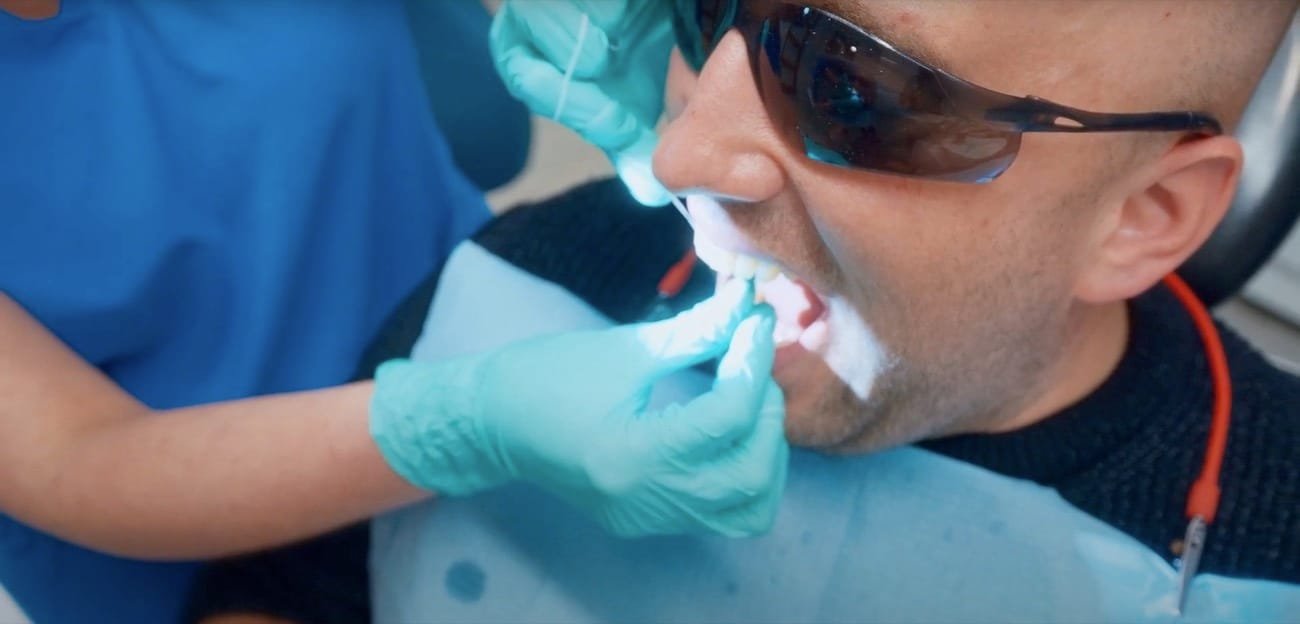
Prevention: Daily hygiene with dental implants
Dental implants can be a life-changing solution: they restore chewing, support confident smiling, and help many people feel like themselves again. But an implant is not a “fit and forget” treatment. Just like natural teeth, implants need daily care—often with a little more attention to detail—because the health of the gums and bone around them is what keeps them stable over time.
At Lonsdale Dental Practice in Kirkby Lonsdale, one of the most common questions we hear is: “How do I look after my implant properly every day?” Closely followed by:
-
What is the best routine for daily hygiene with dental implants?
-
How do I clean around an implant crown or bridge without damaging anything?
-
Can implants get gum disease?
-
Why do implants sometimes fail, even years later?
This article is designed to answer those questions clearly and thoroughly. It’s written as a dentist speaking to a patient, and it will also point out common mistakes—including “DIY hacks” that can harm the tissues around an implant. Good daily hygiene is the simplest form of prevention, and prevention is what protects your long-term investment in your smile.
What does “daily hygiene with dental implants” actually mean?
When patients hear “clean your implant like a tooth”, they often assume it’s identical to brushing natural teeth. The truth is: the goal is similar—remove plaque daily—but the biology is slightly different.
A dental implant integrates with bone, and the crown looks like a natural tooth. However, the tissues around a dental implant do not attach in exactly the same way as around a natural tooth. That means plaque and inflammation can spread differently, and if it’s ignored, the result may be gum problems around implants.
Daily hygiene with dental implants means:
-
Cleaning the visible surfaces of the implant crown or bridge (just like a tooth)
-
Cleaning where the implant restoration meets the gum
-
Cleaning between the teeth and around connectors (if you have bridges)
-
Keeping the surrounding gum tissue pink, firm, and non-bleeding
-
Building a routine you can follow consistently—not an occasional “deep clean”
A helpful way to think about it is this: the implant itself doesn’t decay, but everything around it can become unhealthy. The stability of an implant depends on the health of the gums and the bone that support it.
If you have an implant-retained denture or a full-arch implant solution, daily hygiene matters even more because there are more surfaces and joins where plaque can collect.
Why is daily cleaning even more important around implants than natural teeth?
A common misunderstanding is: “Implants are artificial, so they can’t get problems.” In reality, implants can develop inflammatory conditions around them, and these can become serious if not treated early.
Here’s why daily cleaning is so important:
1) Plaque causes inflammation
Plaque is a sticky film full of bacteria. When it collects around the gum margin, the gums can become inflamed. Around dental implants, this may start as bleeding or swelling.
2) Inflammation can affect the bone
If inflammation progresses, it can influence the supporting bone. Bone support is what keeps a dental implant stable. Protecting the bone is a key reason we take hygiene seriously.
3) Problems can be subtle at first
Many people feel no pain early on. That’s why prevention is essential. Waiting until something hurts can mean the issue has already progressed.
4) Implant restorations have “edges” and joins
Crown margins, bridge connectors, and full-arch designs can create small areas where plaque collects. These are not flaws—they’re normal features of restorations—but they require targeted cleaning.
5) Risk factors can increase the need for care
Smoking, diabetes, dry mouth, and a history of gum disease can increase risk. You may still have implants successfully, but your cleaning routine must be more structured and your check-ups more consistent.
The key message: daily hygiene isn’t about being “perfect”. It’s about being regular and using the right tools in the right places.

How should you brush dental implants every day?
Brushing remains the foundation of daily hygiene with dental implants. The goal is gentle, thorough cleaning at the gum line without causing trauma.
A practical brushing approach:
-
Brush twice daily
Morning and evening is the minimum. Night-time brushing is particularly important because saliva flow reduces during sleep, and plaque can become more concentrated. -
Angle the brush towards the gum line
Use small, controlled movements. Think: “massage and sweep”, not “scrub hard”. Vigorous scrubbing can irritate gums and doesn’t improve plaque removal. -
Clean all surfaces
-
Outer surfaces (cheek side)
-
Inner surfaces (tongue side)
-
Chewing surfaces
-
The gum margin where the crown meets the gum
-
Choose the right brush
Many patients do well with:
-
A soft manual toothbrush with a small head
-
Or an electric toothbrush with gentle action and a soft head
If you have a bridge, you may need a smaller brush head or additional tools to reach underneath.
What to avoid:
-
Brushing so hard that the gums recede or bleed repeatedly
-
Using very abrasive toothpaste or harsh “whitening” products
-
Using improvised tools (pins, toothpicks, or metal implements) to “pick” around the implant
Bleeding is not “normal” long-term. If you’ve just started cleaning properly after a period of neglect, bleeding may occur briefly—but if it persists, it’s a sign the gums need professional assessment.
What is the best way to clean between implants, crowns, and bridges?
For many implant patients, the most important hygiene step is not brushing—it’s interdental cleaning. Plaque tends to hide between teeth and around the edges of implant restorations.
The best method depends on what type of implant restoration you have:
If you have a single implant crown
You’ll usually need:
-
Interdental brushes of the right size, and/or
-
Floss designed for effective cleaning without shredding
If you have an implant bridge
You may need:
-
Interdental brushes for the sides
-
Floss threaders or “superfloss”-style methods to pass under the bridge
-
Specific techniques to clean the underside where plaque collects
If you have an implant-retained denture or full-arch implant teeth
Cleaning becomes more “structural”. There can be:
-
A gap between the bridge and gum for cleaning access
-
Areas beneath the arch that trap plaque
-
Connectors that need careful attention
In these cases, cleaning often involves:
-
Interdental brushes
-
Soft brushes designed for under-bridge cleaning
-
Water flossing (useful as an additional tool, not a replacement)
One of the biggest mistakes we see is using floss incorrectly—either snapping it hard into the gum, or not reaching the area that actually needs cleaning. Another common DIY behaviour is forcing improvised items under a bridge, which can scratch surfaces and irritate the gums.
At Lonsdale Dental Practice, we tailor interdental tool choice to your specific restoration. The “best tool” is the one that fits the space correctly and that you will actually use daily.
Can you use a water flosser with dental implants, and why might it help?
Water flossers are popular, and many patients ask whether they are safe for implants. Used correctly, they can be a helpful addition—especially for bridges and full-arch implant solutions.
A water flosser can help by:
-
Flushing out food debris around hard-to-reach areas
-
Reducing plaque build-up in areas that are difficult to access with floss
-
Supporting gum comfort, especially for patients with dexterity challenges
However, it’s important to be clear: a water flosser is not a magic shortcut. It doesn’t replace brushing or interdental brushing. Think of it like rinsing a plate—useful, but not enough alone if something is stuck.
Safe guidance includes:
-
Use a comfortable pressure setting (not the highest setting by default)
-
Aim the water stream gently at the gum margin and under bridge areas
-
Keep it consistent—quick occasional use is less helpful than regular use
What to avoid:
-
Using excessive pressure into a sore or inflamed area
-
Assuming water flossing alone will prevent gum problems
-
Ignoring bleeding or swelling because “I’m using a water flosser, so it should be fine”
If gums bleed regularly around implants, that’s a sign for professional assessment. Early intervention is always easier and more predictable than treating advanced inflammation.
What are the signs you may not be cleaning an implant effectively?
Most implant-related hygiene problems begin quietly. That’s why knowing early warning signs is valuable.
Look out for:
-
Bleeding when brushing or cleaning between teeth
Occasional bleeding can happen if tissues are inflamed, but persistent bleeding is a sign of gum inflammation that needs attention. -
Swollen, red, or tender gums around the implant
Healthy gums should look pink and feel comfortable. -
Bad taste or persistent bad breath
This can be linked to plaque build-up around restoration edges. -
Food trapping in the same place repeatedly
Sometimes a small gap or contour traps food and needs adjustment or different cleaning tools. -
Pus or discharge from the gum
This requires prompt professional evaluation. -
A feeling that the restoration is “different”
If something feels looser, higher, or uncomfortable when biting, it should be checked. Do not try to adjust anything at home.
It’s also worth noting that pain is not always present. Some patients assume “no pain = no problem”. With gum inflammation, that is not a reliable rule.
If you notice any of these signs, the safest approach is to contact the practice for a review. The goal is to catch small issues early and protect the implant long-term.
How often should you have professional hygiene appointments with implants?
Daily hygiene at home is essential, but it’s only half of prevention. Professional hygiene care supports what you do at home by removing hard deposits and checking areas you can’t see.
How often you need professional support depends on individual factors such as:
-
Your gum health history
-
Whether you’ve had periodontal issues before
-
Smoking status
-
Diabetes or other systemic factors
-
The complexity of your restoration (single crown vs bridge vs full arch)
-
Your dexterity and effectiveness of home cleaning
During professional maintenance, we may:
-
Assess gum health and check for bleeding points
-
Measure gum and tissue status around dental implant
-
Take appropriate imaging if clinically needed
-
Remove plaque and deposits safely using tools suitable for implants
-
Review and adjust your home-care routine if something isn’t working
A crucial point: professional maintenance is not about judgement. Even very motivated patients can struggle with certain angles or spaces. Our job is to help you succeed with a realistic routine and to keep your implant stable and healthy long-term.
What should you avoid doing (DIY mistakes) when cleaning dental implants?
When patients are anxious about doing things “right”, they sometimes try extreme measures at home. Some of the most common DIY mistakes can damage gums or restorations.
Avoid:
-
Hard scraping tools
Using pins, metal toothpicks, or sharp instruments can scratch surfaces and injure gums. Scratches can make plaque stick more easily. -
Household chemicals
Bleach, peroxide rinses used too often, or abrasive powders can irritate tissues and damage materials. -
Overbrushing
More force does not mean more cleanliness. Overbrushing can cause gum irritation and recession around implant areas. -
Skipping interdental cleaning
Brushing alone is rarely enough, especially with bridges and full-arch dental implant restorations. -
Ignoring repeated bleeding
Bleeding is not something to “push through” indefinitely. It’s a sign of inflammation that needs proper diagnosis. -
Trying to “tighten” or adjust anything yourself
If something feels loose, do not attempt to fix it at home. Improper adjustments can cause damage and make the problem harder to resolve.
If you are unsure about the best technique, the safest option is always to ask your dental team to demonstrate. Small technique adjustments can make a big difference.
Why prevention is the key to keeping dental implants stable over time
Prevention is not glamorous—but it is powerful. Most long-term problems around implants are linked to plaque and inflammation, and both are strongly influenced by daily habits.
Prevention means:
-
Building a consistent routine you can maintain
-
Using the right tools for your specific restoration
-
Having regular professional reviews
-
Acting early if you notice bleeding, swelling, or discomfort
It also means understanding that implants are part of a bigger system. Your bite, your gum health, your general health, and your lifestyle all influence outcomes. When we plan and maintain implants carefully, the goal is not simply that they “last”—but that they continue to look natural and feel comfortable for years.
At Lonsdale Dental Practice in Kirkby Lonsdale, we support patients with clear guidance, practical tool recommendations, and tailored maintenance plans. The aim is to make daily hygiene with dental implants straightforward, not overwhelming.
Conclusion: Prevention: Daily hygiene with dental implants
If you take one message away from this guide, let it be this: daily hygiene with dental implants is not optional—it is the foundation of long-term success. Implants can restore a smile beautifully, but the gums and bone around them need consistent care to stay healthy.
A simple routine—brushing twice daily, cleaning between the teeth correctly, using supportive tools where helpful, and attending regular professional reviews—can protect both the appearance and stability of your implant restoration.
If you have implants and you’re unsure whether your routine is effective, or you’ve noticed bleeding, swelling, or discomfort, contact Lonsdale Dental Practice to arrange an appointment. A personalised check and tailored hygiene advice can make all the difference for prevention and peace of mind.
📍 Lonsdale Dental Practice, Tram Lane, Kirkby Lonsdale, Carnforth, LA6 2BQ
📞 +44 01524 273 020
📧 reception@lonsdaledental.co.uk