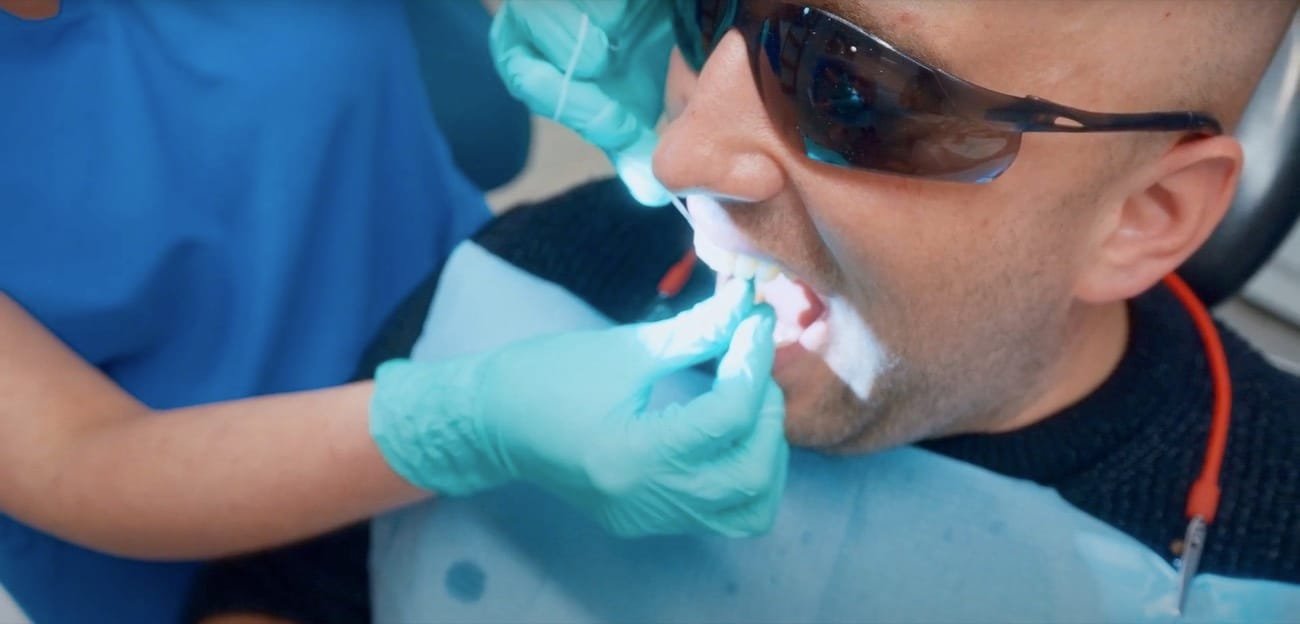
Whether you are visiting a new dentist or returning to dental care after several years, knowing what happens during your first dental appointment can help you feel more comfortable and prepared. At Lonsdale Dental Practice in Kirkby Lonsdale, Cumbria, your initial dental examination provides an opportunity to understand your oral health, discuss your concerns and identify any treatment needs. From reviewing your medical history to examining your teeth and gums, each stage helps your dentist build a clearer picture of your individual needs and establish an appropriate plan for your future dental care.

What happens during your first dental appointment?
Your appointment begins with an initial conversation and a review of your medical history. Your dentist will ask about your general health, previous dental treatments and any symptoms you may have noticed. This discussion is important because certain medical conditions, medications and lifestyle habits can influence your oral health.
The next stage involves a clinical examination of your mouth, including your teeth, gums and surrounding tissues. Your dentist will look for signs of tooth decay, gum disease, damaged restorations and other potential concerns. The findings help establish whether preventive care, further investigations or specific dental treatments may be appropriate.
How should you prepare for your first visit to the dentist?
You do not need to make any complicated preparations before visiting a new dental practice. However, providing accurate information about your health and previous dental experiences can help your dentist assess your needs more effectively. It is also helpful to think about any questions or concerns you would like to discuss.
Before attending your appointment, consider preparing the following information:
- A list of medications you currently take.
- Details of any allergies or existing medical conditions.
- Information about previous dental treatments.
- Any symptoms, such as sensitivity, bleeding gums or discomfort.
- Questions about your oral health or potential treatments.
Being open about your medical history and dental concerns allows your dentist to consider factors that may affect your care. Even information that seems unrelated to your teeth can sometimes be clinically relevant. If you are unsure whether something is important, mention it during your appointment.
What does a dentist check during a dental examination?
A dental examination involves much more than looking for cavities. Your dentist assesses the condition of existing fillings, crowns and other restorations, as well as checking for signs of tooth wear or damage. The health of your gums is also evaluated, particularly because early gum disease may develop without noticeable discomfort.
Your dentist may also examine the soft tissues inside your mouth, assess how your teeth meet and identify changes that require further investigation. These assessments are an important part of regular dental check-ups. Detecting potential problems before they cause noticeable symptoms can help support timely treatment and long-term oral health.
Are dental X-rays necessary at your first appointment?
Dental X-rays can provide information about areas that are not fully visible during a clinical examination. They may help identify decay between teeth, changes around tooth roots or bone loss associated with gum disease. However, X-rays are not automatically necessary for every patient at every appointment.
At Lonsdale Dental Practice, dental imaging supports clinical assessment when further diagnostic information is required. Digital radiography and panoramic imaging may be used depending on the individual situation. Your dentist will determine whether imaging is clinically justified, taking into account your symptoms, examination findings and any relevant previous X-rays.
What if you are nervous about visiting the dentist?
Feeling anxious before a dental appointment is relatively common, particularly if you have had uncomfortable experiences in the past or have not visited a dentist for some time. You may feel concerned about possible treatment, discomfort or the condition of your teeth. Sharing these feelings with your dental team can help them understand how best to support you.
An empathetic approach involves listening to your concerns, explaining each stage of the examination and allowing time for questions. You can discuss your preferences, ask for breaks and let your dentist know if something makes you uncomfortable. Establishing clear communication from the first appointment can help you feel more involved in decisions about your dental care.
Will you receive dental treatment during your first visit?
The primary purpose of an initial appointment is to assess your oral health and understand your individual needs. Depending on the findings, your dentist may recommend preventive measures, additional diagnostic investigations or treatment at a subsequent appointment. Not every patient will require dental treatment.
If a problem is identified, your dentist will explain the available options, their potential benefits and limitations, and the recommended sequence of care. A personalised treatment plan may include information about the expected stages, timescales and associated costs. This gives you the opportunity to understand your options before making an informed decision about proceeding with treatment.
How often should you visit the dentist after your initial examination?
The recommended interval between dental examinations varies according to your individual oral health needs. Factors such as your risk of tooth decay, gum health, medical history and previous dental problems can influence how frequently your dentist recommends reviewing your teeth and gums.
Patients with existing oral health concerns may benefit from more frequent monitoring, while those with stable oral health may require less frequent examinations. Alongside regular professional assessments, maintaining consistent oral hygiene habits at home remains essential. Your dentist can recommend a suitable recall interval based on the findings of your initial examination and adjust it over time if your circumstances change.
First dental appointment: the foundation for long-term oral health
Your first appointment is an opportunity to understand your current oral health, address concerns and establish a preventive approach to future dental care. A thorough examination, appropriate diagnostic investigations and clear communication can help you make informed decisions about your teeth and gums. At Lonsdale Dental Practice, experience, digital technology and personal attention support an individual approach to dental assessment and treatment planning, with your health, comfort and understanding at the centre of your care.
📍 Lonsdale Dental Practice, Tram Lane, Kirkby Lonsdale, Carnforth, LA6 2BQ
📞 +44 01524 273 020
📧 reception@lonsdaledental.co.uk